Plan The Waste Route Before Moving Anything
Asbestos disposal is the controlled handling and transfer of asbestos waste to an authorised destination. It should be planned before removal starts, with responsibilities agreed for packaging, storage, loading, transport and paperwork. A commercial site needs a traceable route rather than an informal collection arrangement.
We help Leeds businesses describe the waste and the site conditions so a suitable collection or disposal scope can be assessed. Tell us how the material arose, whether it has been identified and how it is currently stored. Do not move or repackage suspect material to prepare an enquiry.
Hazardous Waste Responsibilities In England
Government guidance identifies asbestos as a hazardous waste example and sets duties for businesses producing, holding, carrying and receiving hazardous waste. The requirements apply to the parties involved in the waste movement, so appointing a collector does not remove the need to understand your own responsibilities.
For a site in Leeds, check that the proposed carrier is appropriately registered and that the receiving facility is authorised to accept the specific waste. These checks are separate from an asbestos removal licence. A contractor needs the right permissions for the activity it undertakes, rather than one generic approval for every part of the job.
Containment And Storage On Site
Asbestos waste must be packaged and handled to prevent fibre release, using arrangements suitable for the material and task. HSE’s Asbestos essentials guidance includes a method sheet for waste disposal. The removal or waste specialist should determine the packaging, labelling and secure containment needed for your particular waste.
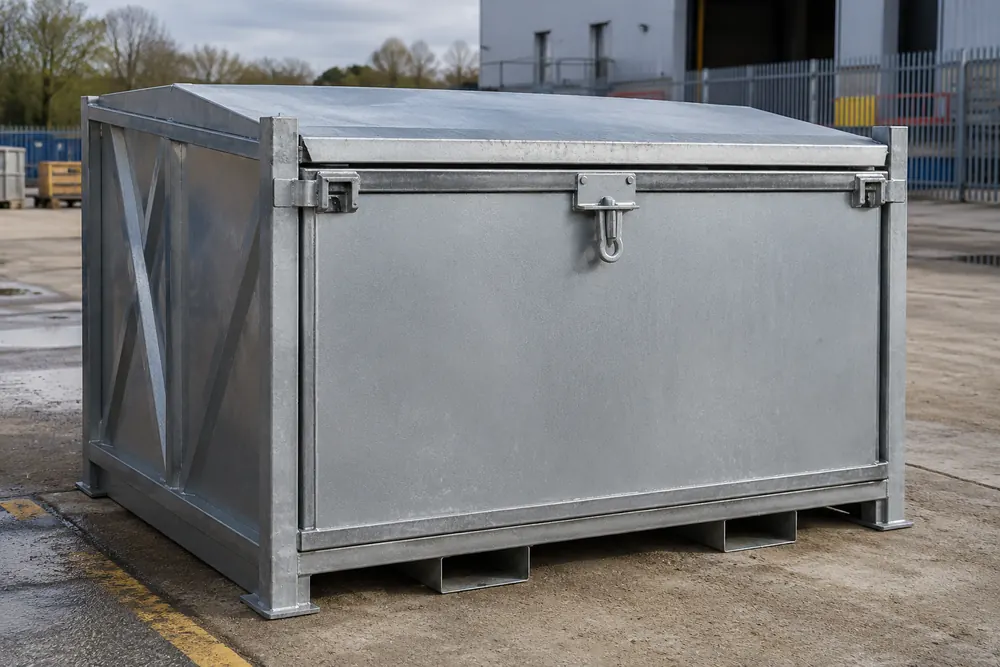
Keep the storage location secure and separate from general waste activities. Consider forklift movements, public access, weather exposure and the route to the collection vehicle. Large sheets and awkward items may require a different arrangement from smaller packaged waste, so describe their size and condition before collection is agreed.
The Disposal Planning Process
First, establish what the waste is and where it is located. Share the relevant survey or laboratory record where available, together with photographs taken without disturbing it. If the waste is loose, damaged or mixed with other debris, make that clear because it may require assessment and remediation before routine collection.
Next, agree who is responsible for each stage. Confirm whether the appointment covers packaging, moving waste from the work area, storage, loading and transport, or only collection of material already prepared by a competent contractor. Avoid a gap between the removal scope and the waste collection scope.
Before movement, confirm the receiving destination and the consignment documentation. At handover, check the waste description and site details against the actual collection. Retain the completed records in your project or site management file so the movement can be traced later.
Consignment Notes And Audit Records
GOV.UK guidance explains that hazardous waste movements require consignment notes and that the note stays with the waste until its final destination. The parts completed depend on whether a party is acting as producer, holder, carrier, consignor or consignee. Agree who prepares and checks the information before collection.
Ask what documentation you will receive after the waste arrives, including the appropriate consignee information. Keep a consistent project reference across removal records and waste records. This helps your facilities team show which work produced the waste and which movement relates to it.
What Affects Disposal Cost
The waste type, quantity, packaging condition and loading requirements influence the cost. A secure container beside a collection route is a different task from material requiring specialist handling inside an occupied building. Restricted vehicle access, difficult loading and separate collections can also change the scope.
Ask whether the quotation covers packaging materials, handling, transport, disposal charges and the relevant paperwork. If the waste has not been removed from the building, explain that the enquiry includes removal rather than assuming a collector can take it out. We do not give a generic price without these details.
If You Find Unidentified Waste
Do not put suspect asbestos waste in a general skip or mix it with ordinary construction debris. Stop activities that could disturb it and tell the person responsible for the site. Loose contamination may need a specialist assessment before a safe collection arrangement can be defined.
Use the enquiry form to explain the condition and the access constraints. Our asbestos testing page covers material identification, while the removal page explains how an in-situ material becomes a controlled removal project. Keep the waste route in the plan from the outset so collection is coordinated with the rest of the works.
Read the HSE asbestos guidance and check the requirements for your specific project before work starts.
Service FAQs
Can Asbestos Waste Go Into A General Building Skip?
Asbestos waste must not be mixed into a general building skip. It needs suitable containment and an authorised hazardous waste route appropriate to the material. Tell your waste contractor what the waste contains before movement, and confirm packaging, carrier registration, the receiving destination and the consignment records required for your commercial site.
Is Disposal The Same As Removing Asbestos?
Asbestos disposal is not the same as removing asbestos from a building. A collection may only cover waste that has already been properly packaged and made ready by competent people. If the material is still installed, explain this at enquiry stage so assessment, removal controls and waste arrangements can be scoped together.